Acquisition
Considering property opportunities with attention to location, condition, intended use, legal constraints and financing.

OUR ACTIVITIES / 01
The acquisition, holding, sale and development of real estate are central to the company’s statutory purpose.
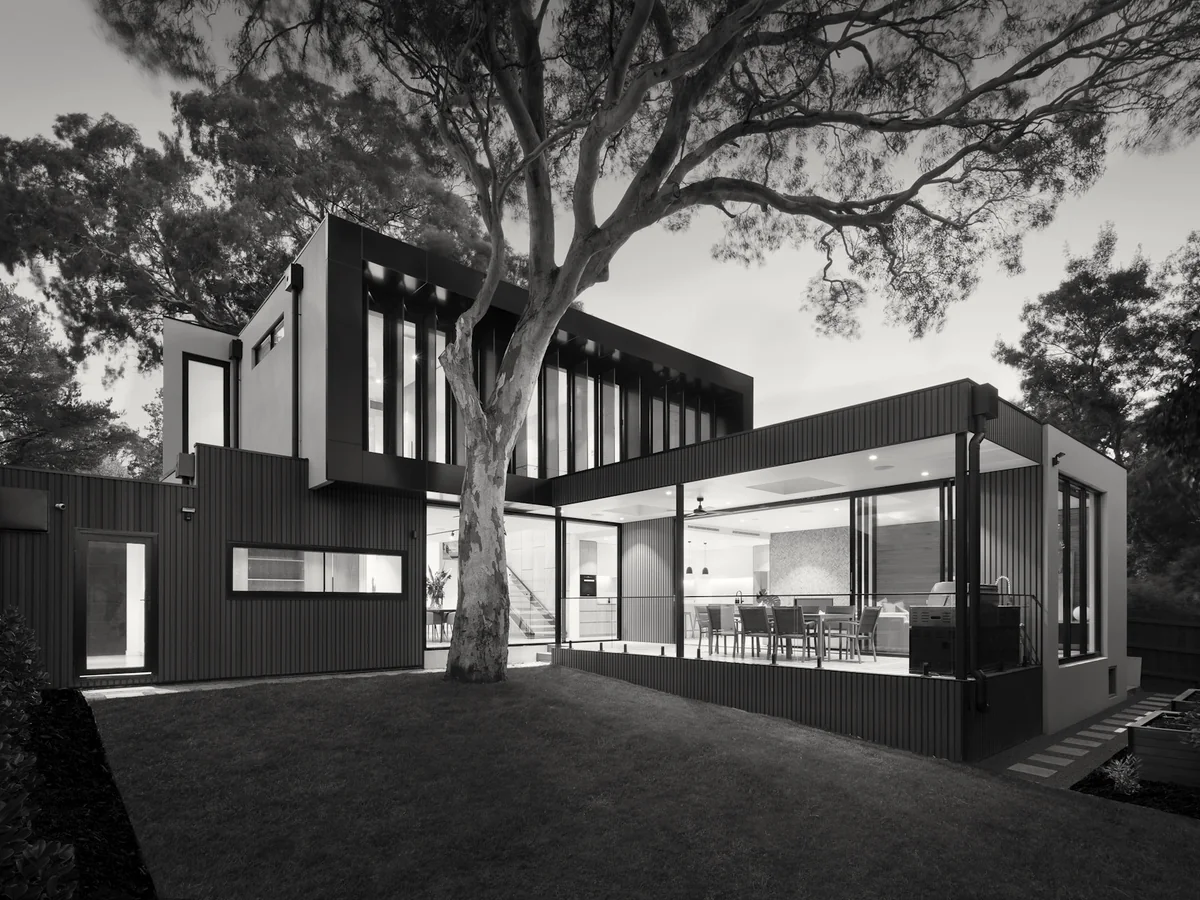
Considering property opportunities with attention to location, condition, intended use, legal constraints and financing.
Owning real estate with attention to the responsibilities, costs and risks associated with a physical asset.
Assessing disposals in the context of the property, market conditions and the company’s objectives.
Participating in real-estate development projects, subject to feasibility, authorisations and applicable law.
A considered way forward
A building is both a physical reality and a set of commitments. The location, the fabric of the property, its use and its ownership structure need to make sense together. Our real-estate focus spans the life of an asset rather than a single moment of acquisition.
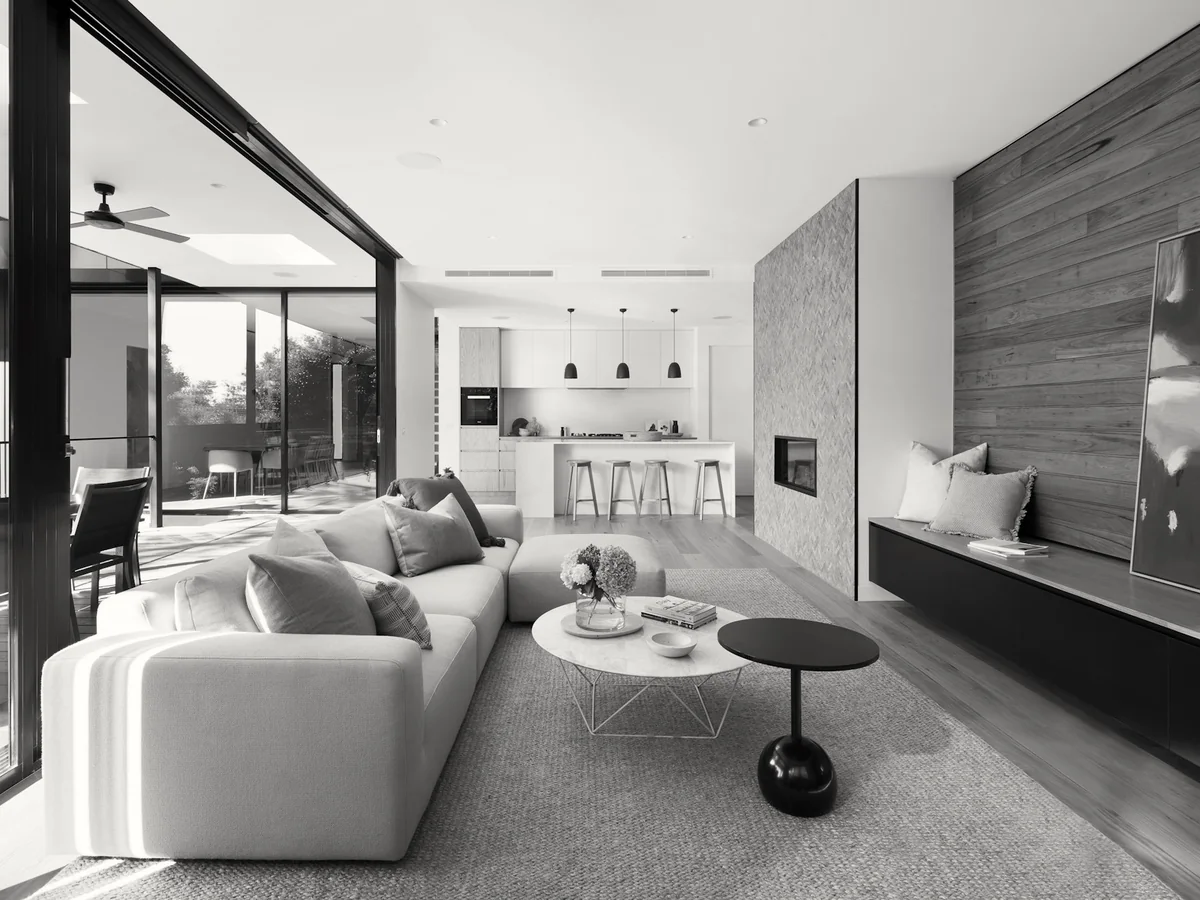
Examine the property in its setting: neighbourhood, access, condition, permitted use, tenancy arrangements and future works. Pricing only becomes meaningful alongside these practical and legal considerations.
Plan for the period after acquisition. Maintenance, administration, insurance, occupancy and financial commitments all shape the reality of ownership. The appropriate management arrangements should match the asset rather than follow a fixed formula.
Development connects land, planning, design, construction and finance. A participation must be read through the project’s feasibility, the responsibilities of each participant and the decisions required as the project progresses.
A disposal should be considered with the same care as an acquisition: documentation, timing, the condition of the asset and the terms of transfer all matter. The company’s objectives and the asset’s context guide the decision.
Enduring value begins with a clear understanding of what we choose to own.
THE C.A.B PATRIMOINE PERSPECTIVE
FROM FIRST EXCHANGE TO FOLLOW-THROUGH
A working framework, adapted to the asset and the people involved. Each stage informs the next; none replaces careful judgement.
Begin with the context: the asset, the parties, the intended horizon and the reason for a transaction. A clear question is more useful than a premature answer.
Bring together ownership records, financial information, technical considerations and the relevant legal framework. Identify what is known, what remains uncertain and where specialist input is needed.
Consider the ownership vehicle, funding, decision rights and practical responsibilities as one whole. Advance only where the terms and the company’s interest are sufficiently clear.
Define the agreed milestones, retain the supporting documentation and establish an appropriate review rhythm. Ownership is an ongoing responsibility, not simply a closing date.
QUESTIONS, CONSIDERED
Location, ownership details, intended use, occupancy, condition, available plans and the reason for the proposed transaction form a useful starting point. Further legal, technical and financial documents depend on the case.
The starting point is feasibility: land and title, planning status, permits, budget, funding, the project team and allocation of responsibilities. Participation terms and decision rights must be understood before a commitment.
Ownership calls for attention to maintenance, occupancy, operating costs and documentation. Operational work may involve suitable external professionals; the arrangements depend on the property and agreed responsibilities.
A CONVERSATION IS A GOOD BEGINNING
A property, a participation or a potential collaboration? Share the context with us.